 Hall Research Group
Approach
We work primarily with various waterfleas of the genus Daphnia
-
images/approach-hosts.webp run download-images.command
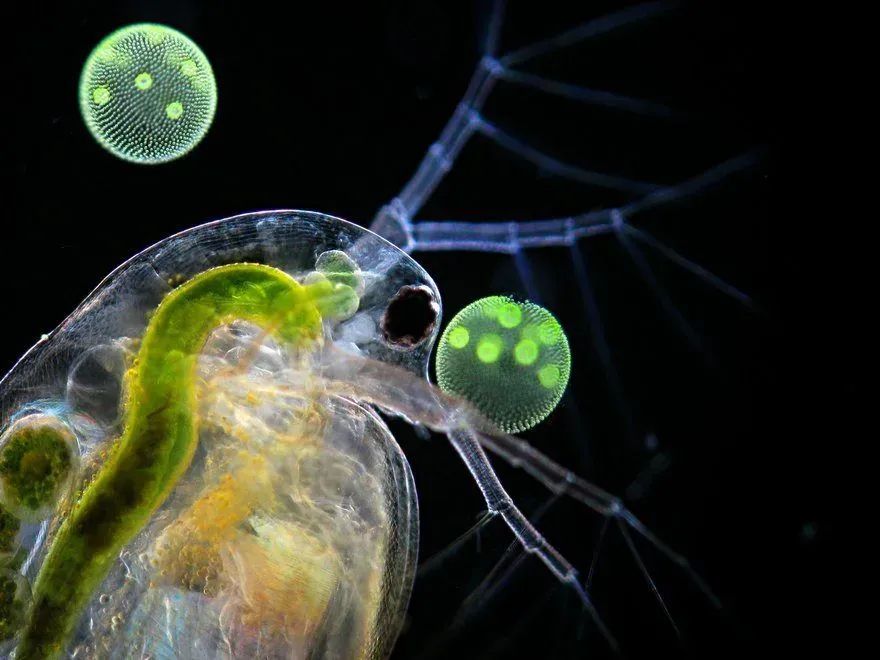
The Hosts
For over a century, Daphnia has been a powerful model organism for understanding the genetics of infectious disease and local adaptation. Their short generation time (12 days), ease of culturing, and ability to reproduce clonally is ideally suited to evolutionary genetics, as genotypes (i.e. clones) can be replicated extensively.
-
images/approach-pathogens.webp run download-images.command
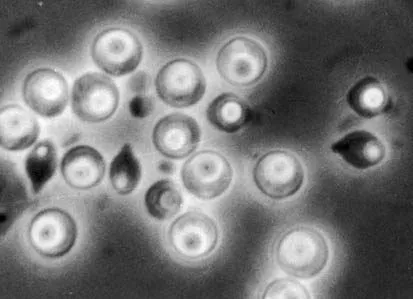
The Pathogens
Daphnia are host to numerous pathogens including bacteria, fungi, microsporidia and helminths. One of the most common pathogens of D. magna is the spore-forming bacterium Pasteuria ramosa. Pasteuria is extremely virulent, resulting in complete castration of the host and a vastly reduced life expectancy.
-
images/approach-environment.webp run download-images.command
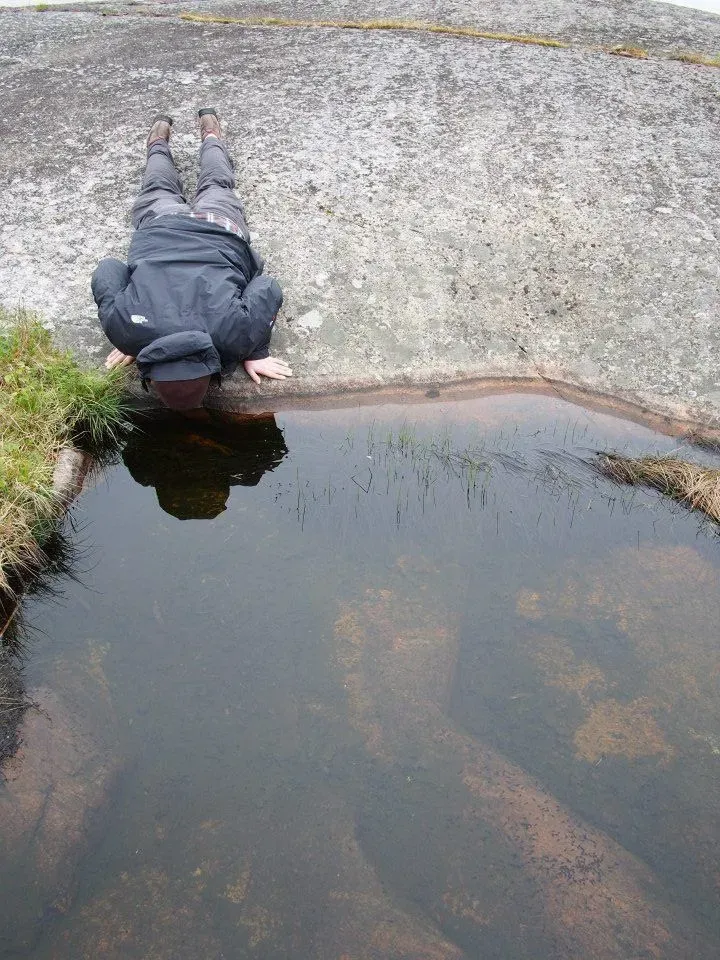
The Environment
Daphnia are small (1–5 mm), transparent crustaceans that occupy a range of freshwater habitats — from rocky coastal rock pools to desert ponds and mountain lakes. Many populations have repeatedly evolved differences in life-history traits: Daphnia from rock-pool habitats develop faster, reproduce earlier, and die sooner.